
all sports season is in full swing. Student-athletes are hitting the turf, court, and track for daily practices, double-sessions, and competitive games.
While the energy is high, the sudden spike in training often brings a very common, very unwelcome guest: shin splints.
It usually starts as a dull, throbbing ache along the front or inner side of the lower leg during a run. At first, it’s easy to shake off. But within a week or two, that mild annoyance turns into a sharp, burning pain that makes every stride, jump, and sprint feel nearly impossible.
Why are shin splints so common at the start of the season, and how can student-athletes keep them from ruining their year?
What’s Actually Happening to the Shin?
“Shin splints” is the popular name for Medial Tibial Stress Syndrome (MTSS). It isn’t just a muscle cramp—it’s an overload injury.
When an athlete makes a sudden jump in running volume or switches from soft summer grass to hard turf or gym floors, the muscles and tendons pulling on the shin bone (tibia) get overworked. This repetitive pulling creates micro-trauma and inflammation in the periosteum—the sensitive outer lining of the bone itself.
If ignored, that persistent inflammation can eventually progress into a tiny hairline crack known as a stress fracture, which can sideline an athlete for months.
The 3 Big Triggers
Shin splints rarely happen by accident. They almost always boil down to three main factors:
The “Too Much, Too Soon” Spike: Going from casual summer workouts straight into daily 2-hour practices overloads the leg before the bone and tendons have time to adapt.
Worn-Out Footwear: Running in sneakers that have lost their arch support or shock absorption forces the lower leg to absorb all the impact from the hard ground.
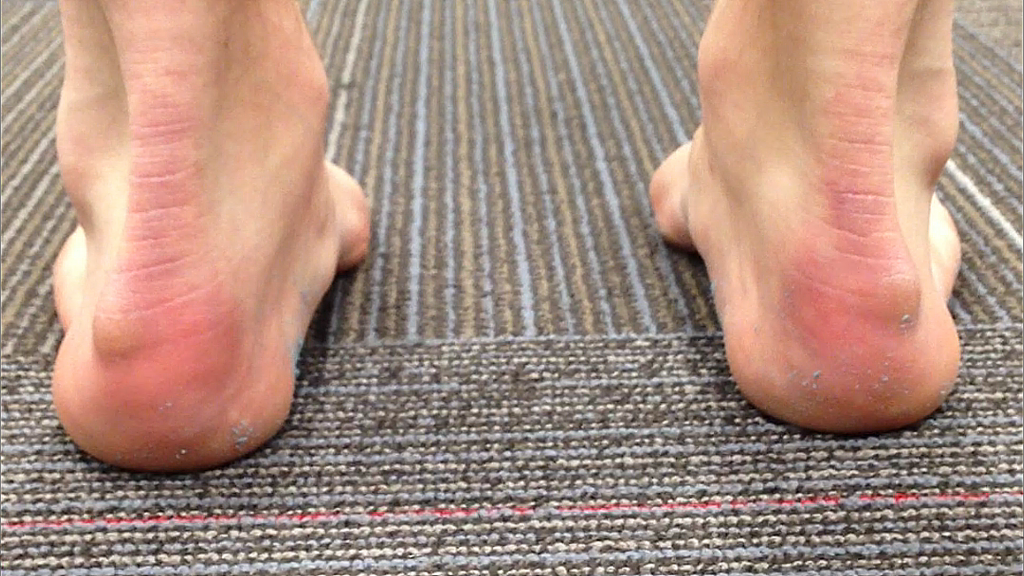
Flat Arches or Stiff Ankles: If an athlete’s foot rolls inward excessively (overpronation) or their calf muscles are tight, the muscles along the shin have to pull twice as hard to keep the foot stable.
Fast Relief & Prevention Tips
If a young athlete is starting to feel that telltale shin ache, don’t wait for it to get worse:
Freeze the Inflammation: Ice the inner shin for 15 minutes after practice to calm down irritated tissues.
Stretch the Calves & Soles: Tight calf muscles pull directly on the foot and ankle, compounding shin stress. Stretch both the upper and lower calf daily.
Cross-Train on Off Days: Swap high-impact running for low-impact conditioning—like stationary cycling or swimming—to keep cardio up while giving the shin bone a rest.
How Physical Therapy Keeps Athletes in the Game
Placing an ice pack on a sore leg offers quick relief, but it doesn’t fix why the shin overloaded in the first place.
At SOS PHYSIO, we perform detailed gait and movement assessments for student-athletes. Through hands-on manual therapy to loosen tight calf muscles, targeted foot and ankle strengthening, and custom running mechanics tweaks, we help athletes eliminate pain and build resilient legs that last all season long.
Don’t let shin pain bench your athlete this fall!
Is your student-athlete struggling with leg pain? Schedule a sports movement evaluation with our team today! Or call us directly at(305) 306-8376 to speak with a physical therapist.



 By
By