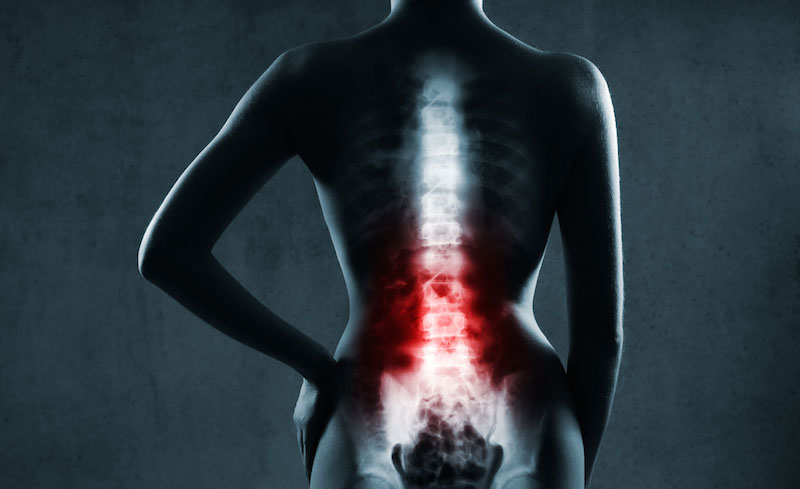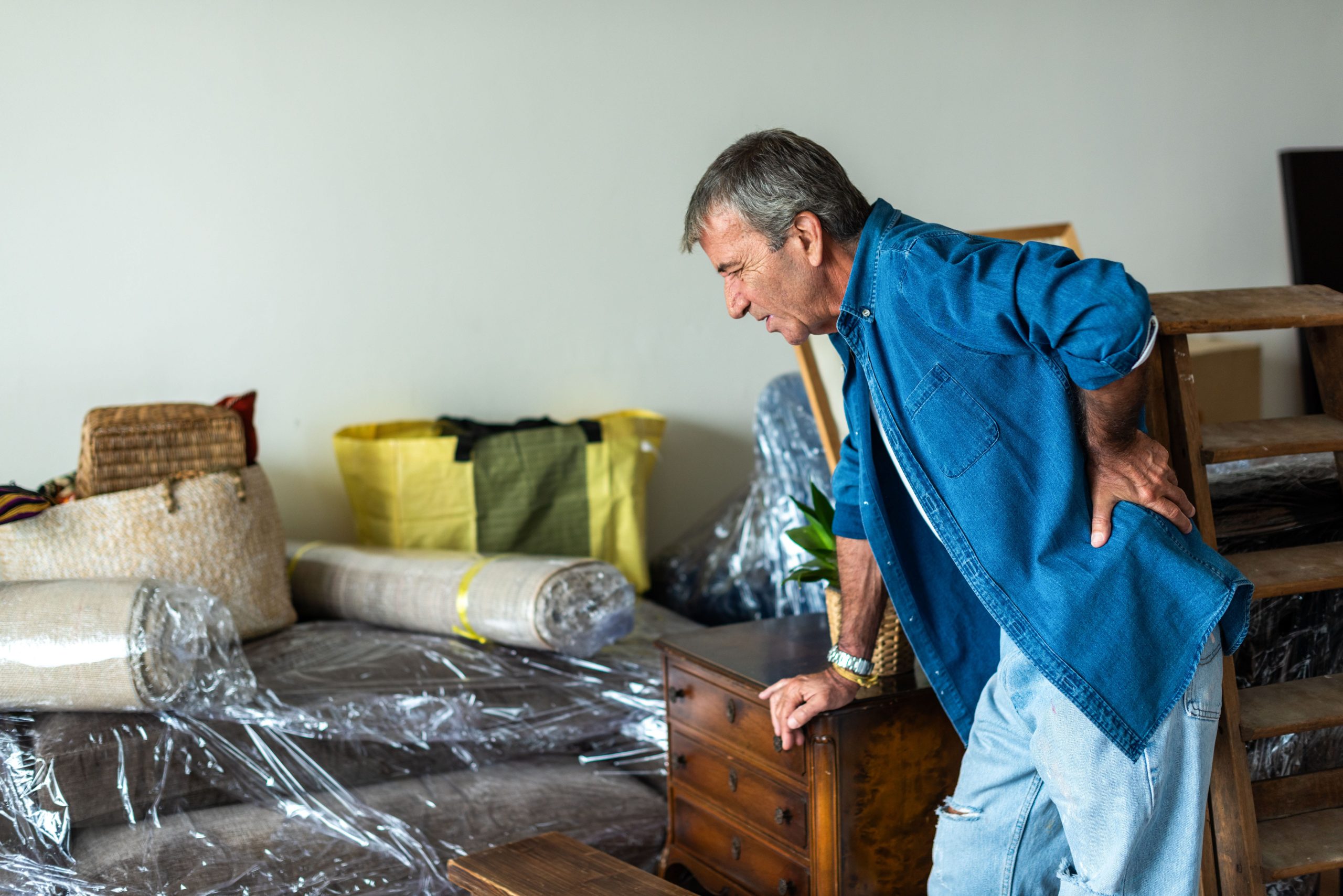

When a knee starts aching, a shoulder feels pinched, or your lower back flares up, the most common advice you’ll hear is simple: “Just rest it.”
So you sit on the couch, take a week off from workouts, lay off heavy lifting, and wait for the pain to fade. And for a few days, it might feel a little better. But the moment you go back to living your life—picking up a laundry basket, going for a jog, or reaching into a top cabinet—the exact same pain comes roaring right back.
Why does rest so often fail to fix the problem? Let’s look at the difference between resting a symptom and actually treating a cause.
The Myth of Complete Rest
Rest is great for acute, severe trauma—like a freshly sprained ankle or a broken bone that needs a few days to calm down. But for chronic aches, lingering joint stiffness, or recurring muscle tightness, complete rest is often counterproductive.
When you stop moving entirely, three things happen behind the scenes:
Tissues Lose Capacity: Your tendons, ligaments, and muscles stay strong by handling mechanical load. When you rest for weeks, those tissues actually lose their strength and tolerance for stress. When you finally move again, your body can handle less than it did before.
Joints Lose Lubrication: Your joint cartilage relies on movement to pump nutrient-rich synovial fluid through the capsule. Complete rest leaves joints feeling stiff, cold, and rigid.
Compensations Take Over: Resting doesn’t fix the underlying mechanical flaw that caused the pain in the first place—like weak glutes or a stiff upper back. The underlying issue is still waiting for you the second you get back in action.
Active Recovery vs. Passive Rest
In physical therapy, we know that movement is medicine. Instead of shutting your body down completely, the key to overcoming stubborn aches is finding controlled, pain-free movement—what we call active recovery.
Instead of lying still on the couch, active recovery focuses on:
Unloading the Specific Joint: Modifying your movements so you can stay active without aggravating the injured area.
Restoring Joint Mechanics: Using hands-on manual techniques to get tight joints gliding smoothly again.
Progressive Loading: Gradually strengthening the surrounding muscles so your body can safely handle daily life without flaring up.
How Physical Therapy Breaks the Rest-Pain Cycle
If you’ve been resting an injury for weeks and it still hurts the moment you get active, your body isn’t broken—it’s just stuck in a loop.
At SOS PHYSIO, we don’t tell you to sit on the sidelines and wait it out. We perform a detailed movement evaluation to figure out why the tissue overloaded in the first place. Through targeted manual therapy, joint mobilizations, and customized exercise progression, we rebuild your body’s strength and capacity so you can move with complete confidence.
Stop waiting for pain to disappear on its own—let’s fix it for good.
Ready to get back to moving pain-free? Schedule your movement evaluation with our expert team today! Or call us directly at(305) 306-8376 to speak with a physical therapist.



 By
By