
You’ve had a busy day, and now it’s time to unwind and make dinner. You pull out a cutting board, grab some ingredients, and stand at the kitchen island or counter to chop, prep, and stir.
Ten minutes in, you feel a familiar, annoying dull ache settling straight across your lower back. You shift your weight to one leg, rest a forearm on the counter, or try leaning your stomach against the edge of the cabinets just to find a second of relief.
Why does simply standing at a kitchen counter create so much lower back fatigue when you aren’t even lifting anything heavy?
The “Perpetual Micro-Hunch”
Standard kitchen countertops are built to a height of 36 inches. Unless you are on the shorter side, that height forces almost every adult into a slight, continuous forward lean of about 15 to 20 degrees.
Biomechanically, this “micro-hunch” is deceptive:
The Glutes Shut Down: When you lean forward slightly over a counter, your body weight shifts forward onto your toes, taking the work away from your powerful gluteal muscles.
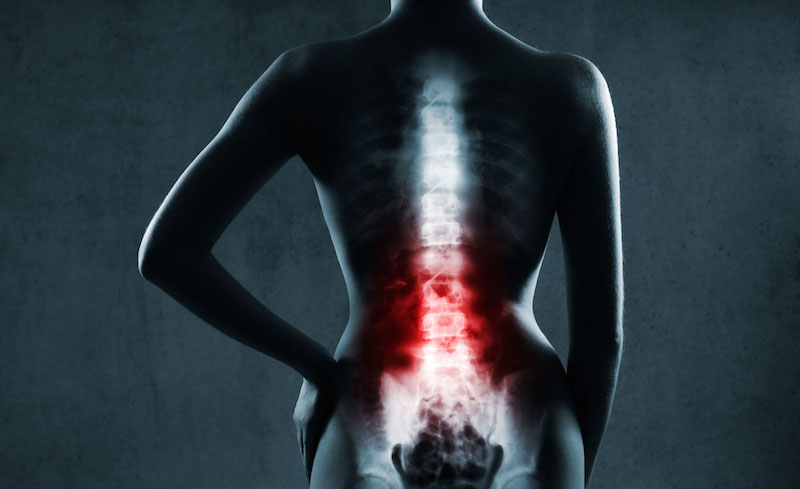
The Lumbar Muscles Work Overtime: Because your hips aren’t supporting you, the small extensor muscles along your lower spine are forced to hold your entire upper torso suspended against gravity for 20 to 45 minutes straight.
The “Pelvic Slouch”: To reduce the burn, most people subconsciously rest one hip out to the side or lock their knees straight back. This jams the facet joints in your lower back together and stretches your lower lumbar ligaments, creating that deep, tired throbbing sensation.
The “Cabinet Foot-Prop” Hack
You don’t need to rebuild your kitchen island to save your spine. You can fix the mechanics right now with an old bartender’s trick:
Open the lower cabinet door under your prep station and rest one foot inside on the bottom shelf (or on a small 4-to-6-inch stool).
Elevating one foot changes the game:
Flattens the Lumbar Spine: Raising your knee slightly tilts your pelvis backward, immediately opening up compressed spinal joints.
Shares the Load: It unloads the overworked muscles in your lower back, instantly cutting muscle fatigue in half.
Easy Alternation: Just switch feet every 5 to 10 minutes while prepping.
Keep Your Kitchen Time Comfortable
Cooking should be an enjoyable part of your evening, not an endurance test for your spine. If standing at a counter routinely leaves you stiff and reaching for a heating pad, it usually points to tight hip flexors, stiff thoracic mobility, or deep core stabilizers that need retraining.
At SOS PHYSIO, we specialize in identifying why everyday positions trigger persistent aches. Through targeted hands-on manual therapy and personalized movement solutions, we help take the strain off your lower back so you can stand, move, and cook without discomfort.
Ready to say goodbye to daily standing aches? Schedule your movement evaluation with our expert team today! Or call us directly at (305) 306-8376 to speak with a physical therapist.


 By