
As summer winds down and the new school year kicks off, parents everywhere are checking off their back-to-school checklists: fresh sneakers, lunchboxes, notebooks, and of course, a brand-new backpack.
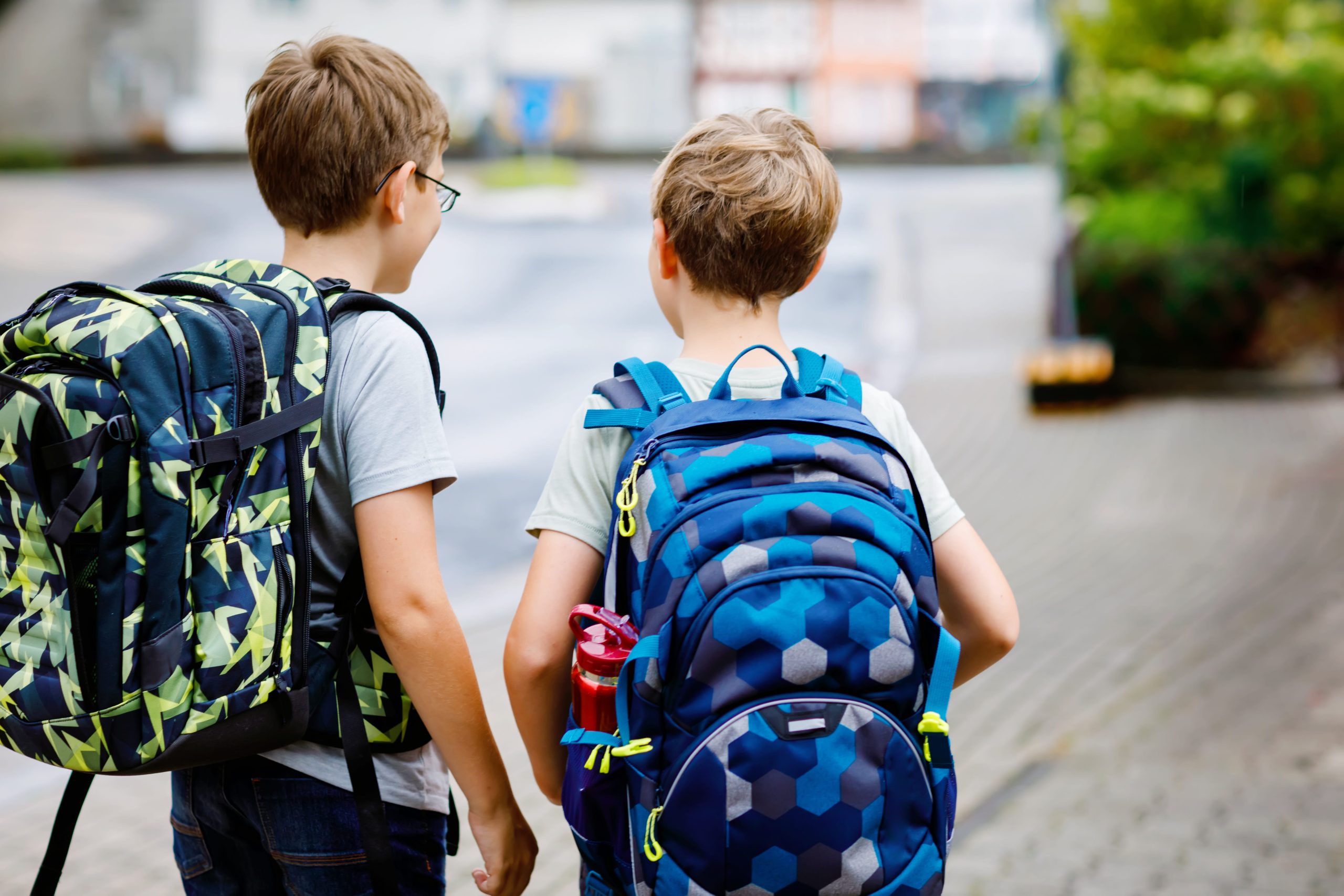
But within just a few weeks of school starting, a familiar scenario unfolds. Your child stumbles through the front door, tosses a heavy 20-pound backpack onto the floor, and rubs their neck or lower back complaining of a dull ache.
While heavy textbooks and digital devices are a reality of modern education, carrying them shouldn’t cause daily pain. Let’s look at how heavy backpacks affect growing spines—and how a few simple tweaks can keep your student comfortable all school year.
The Physics of the Overloaded Backpack
A child’s spine is still growing and developing. When a backpack is too heavy—or carried incorrectly—their center of gravity gets pulled backward.
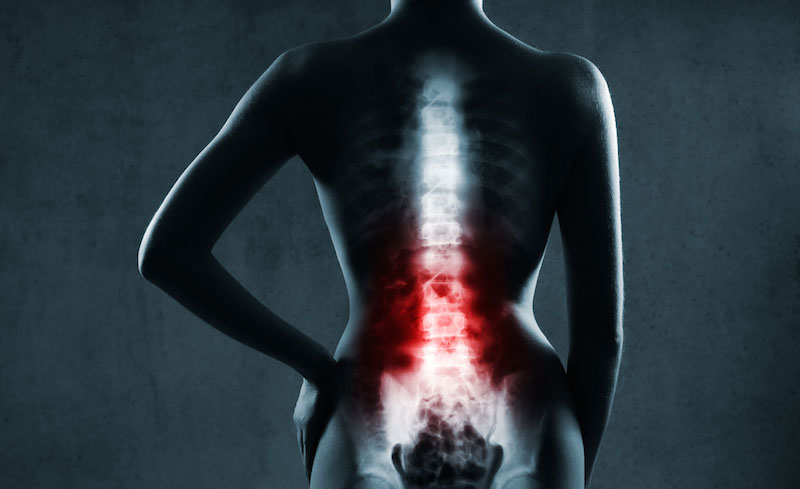
To compensate and keep from falling over, kids naturally lean forward at the hips, round their upper backs, and poke their chins out. This forced posture puts immense strain on the neck, shoulders, and lower back muscles.
As a general rule of thumb, a student’s backpack should never weigh more than 10% to 15% of their total body weight. (For a 70-pound child, that means their bag should top out at just 7 to 10 pounds!)
The 3-Step “Backpack Audit”
Before your kid heads out the door tomorrow morning, perform this quick 3-step check:
1. The Two-Strap Rule: Wearing a bag over just one shoulder might look cool, but it forces one side of the body to take all the weight, leading to muscle imbalances and spinal asymmetry. Always encourage using both shoulder straps.
2. The High & Tight Fit: The bottom of the backpack should rest comfortably in the curve of the lower back, about 2 inches above the waistline. If the bag hangs down near their thighs, it increases the leverage on their shoulders. Tighten those straps!
3. Strategic Packing: Place the heaviest items (like laptops, binders, and thick textbooks) closest to the back panel of the bag. Lighter items like pencil cases and lunchbags should go toward the outside.
How Physical Therapy Supports Growing Students
Back-to-school season isn’t just about backpacks—it also marks a sudden transition from active summer play to sitting at a desk for 6 to 8 hours a day. This sudden change in activity levels often leads to tight hip flexors, weakened core muscles, and poor posture habits.
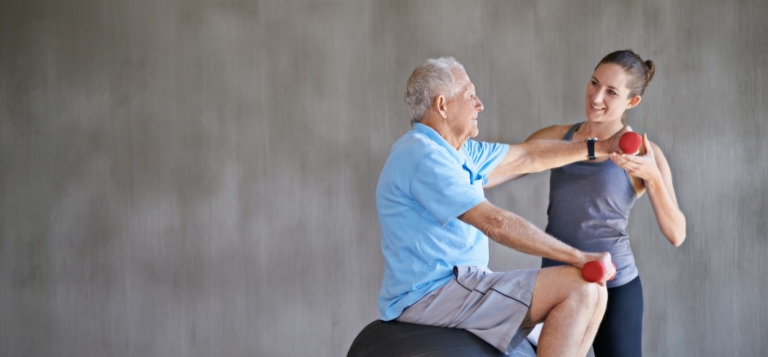
At SOS PHYSIO, we work with kids, teens, and student-athletes to address postural strain, strengthen deep core stabilizers, and resolve spinal aches before they become chronic problems.
Let’s set your student up for a strong, healthy, and pain-free school year!
Noticing your child slouching or complaining of back pain? Schedule a youth posture and mobility assessment with our team today! Or call us directly at (305) 306-8376 to speak with a physical therapist.


 By
By